
About Sandbox Terrestrial
Created by a 7-Year-Old Developer
Sandbox Terrestrial began with a simple idea:
What if kids could build freely - without rules, pressure, or being told what to create?
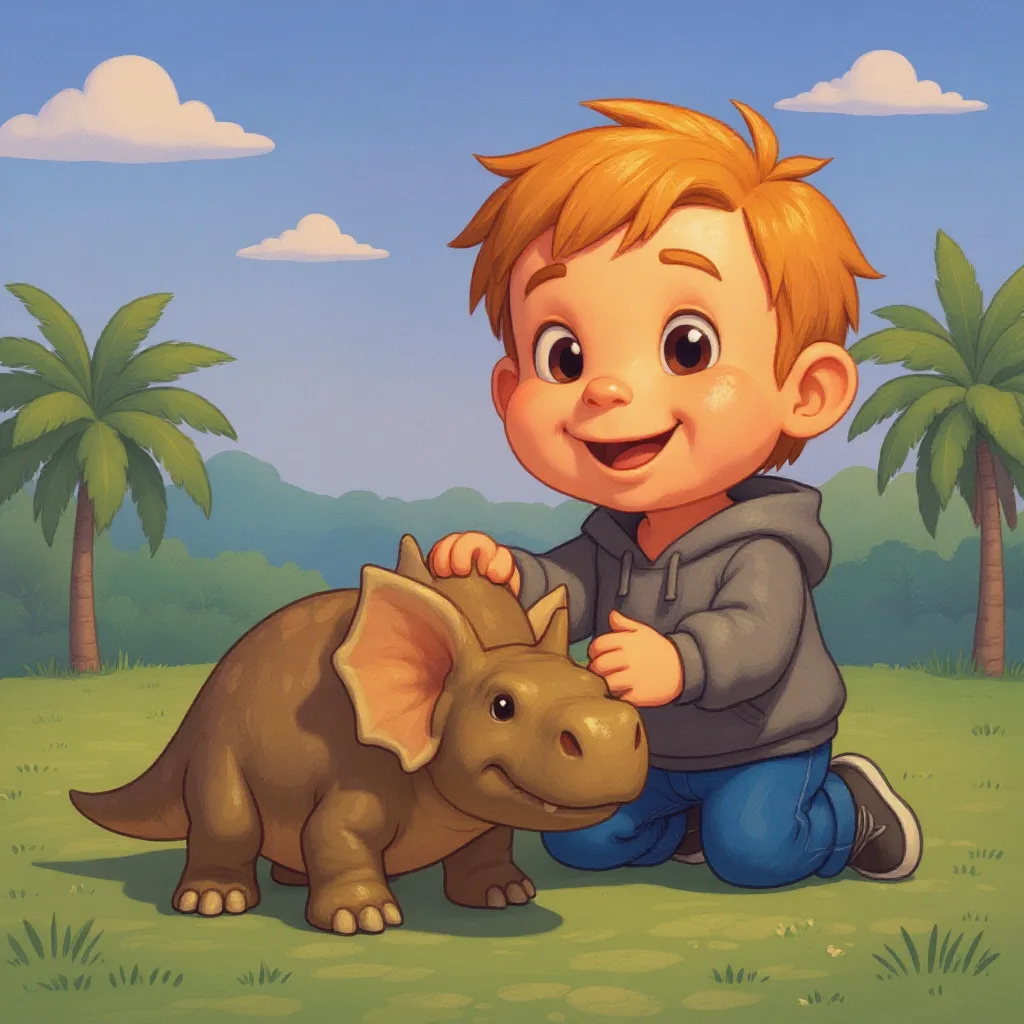
The inspiration came from Noah, a curious 7-year-old who loves building, experimenting, and figuring things out by trying. Like many kids, Noah enjoyed games, but often felt limited by instructions, goals, and outcomes decided for him.
He wanted a space where he could:
- Choose what to build
- Decide how many pieces to use
- Experiment without being wrong
- See his ideas grow visually
So he created one.

A Game Built From a Kid’s Perspective
Sandbox Terrestrial was designed around how kids actually play, not how adults think they should play.
Noah’s input shaped the core ideas behind the game:
- Icons should be simple and visual
- There shouldn’t be a “wrong” move
- Builds should grow naturally
- Play should feel calm, creative, and open-ended
- Instead of levels, scores, or instructions,
Sandbox Terrestrial focuses on exploration. Kids decide what matters. The sandbox responds.
Why Open-Ended Play Matters
Kids learn best when they’re free to explore.
Sandbox Terrestrial doesn’t tell kids what to build or how to build it. Instead, it gives them tools—blocks, animals, dinosaurs—and lets their imagination do the rest.
This kind of play encourages:
- Creativity
- Problem-solving
- Confidence
- Curiosity
And because there’s no pressure to “win,” kids are free to experiment, make changes, and try again.

Designed to Grow With Curiosity
Sandbox Terrestrial is intentionally simple, but not limited.
As Noah’s ideas grew, so did the sandbox. More icons were added. New combinations emerged. Builds became bigger, smaller, stranger, and more creative.
The game continues to evolve the same way it started:
By watching how kids play and letting that guide what comes next.